

Pretty as a Penny: The Penny Williamsburg
On a recent trip to Brooklyn, NY, I had the pleasure of staying at the Penny Williamsburg Hotel. Like its namesake, the hotel is very clean, neat, and pretty as a penny.
In this review of the Penny Williamsburg Hotel, I will let you know what I like or dislike about the hotel--and I will conclude this review with some ideas about what to do when you arrive in Brooklyn, NY.
Things I appreciated about the penny
The penny has a lot of charm and allure. I can think of very few hotels that have this much creativity and thoughtfulness strewn throughout the premises.
From the colorful, high-end robes in the bathroom to the thoughtful, high-quality umbrella hanging on the wall, the penny provides everything that a great hotel should, and some additional items that perhaps a traveler or two forgot to bring.
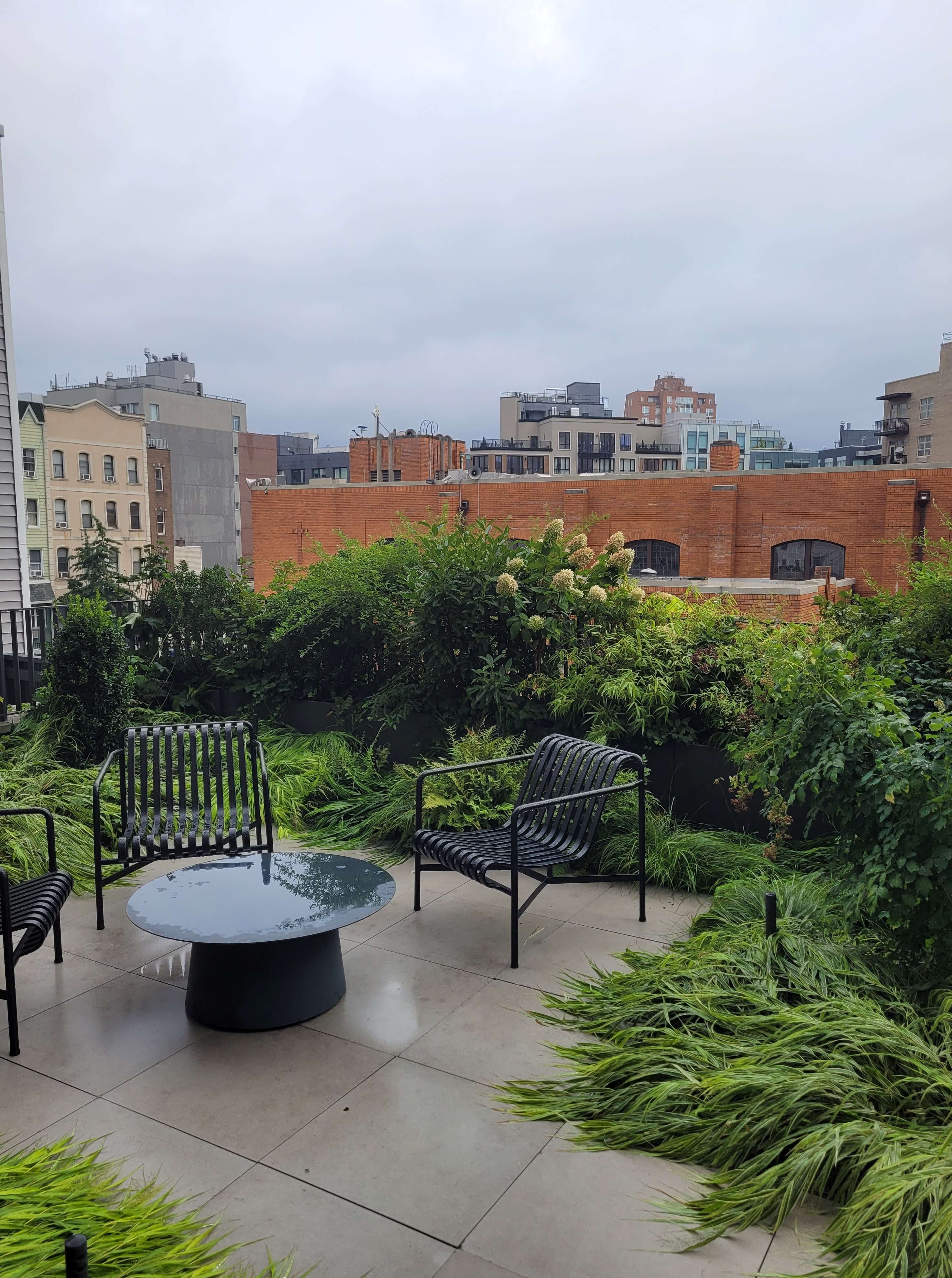
Even unused space, like this veranda shown below, shows what a good architect can do when drawing up plans for every square inch of available space. When the weather cleared, this proved to be a great place to read a book and catch up on some emails. I could have done this in my room, of course, but this area provided an out-of-room option in which to relax in this bustling city.
The entire area around this hotel was extremely safe. Even late into the evening, you felt safe leaving the hotel to run around to the corner store or return home late from a ball game. The staff was also always very accommodating. They were not overly talkative, but just the right amount to keep you on your way when you came and went through the front Fourier.
Improvements for the penny
I cannot think of many things that this hotel could do to improve itself. Any sort of real estate space in New York is at a premium, and I think, given the previous use of this particular building, the owners did a great job of repurposing it and making it feel like a brand new five-star hotel.
Four Hidden Gems: Unique Things to Do in Brooklyn
Brooklyn holds countless hidden treasures that most visitors and even locals never discover. Beyond the famous Brooklyn Museum and bustling streets of Williamsburg, this dynamic borough harbors secret museums, hidden waterfalls, and underground art spaces. These lesser-known things to do in Brooklyn offer unique experiences that showcase the area's rich history and creative spirit.
From exploring mysterious catacombs at Greenwood Cemetery to discovering urban agriculture at Brooklyn Grange's rooftop farm, each destination tells its own fascinating story. Visitors can wander through the historic streets of Vinegar Hill, experience immersive performances at House of Yes, or step back in time at the Secret Subway Museum. Brooklyn Bridge Park serves as just the beginning of an adventure through these remarkable hidden gems.
Explore the Secret Subway Museum
What started as a temporary exhibition in 1976 for the subway's 75th anniversary quickly became a beloved permanent institution. The museum transformed an abandoned Court Street station into a vibrant cultural center, preserving over 100 years of transit heritage.
Secret Subway Museum exhibits
The museum's crown jewel is its collection of vintage subway cars, spanning from 1904 to the 2000s. Notable exhibits include:
-The 1907 Brooklyn Union elevated cars with original leather straps
-The iconic "Bluebird" that transported visitors to the World's Fair
-The famous "Redbird" cars that served from the 1960s through 2000s
Secret Subway Museum visitor experience
Visitors can step back in time through meticulously restored subway cars, each featuring period-appropriate advertisements and details. The NY Transit Museum offers an immersive experience where you can:
-Take control of a subway car in interactive exhibits
-Explore the evolution of turnstiles and tokens
-Discover the engineering feats of the "sandhogs" who built the tunnels
The museum welcomes over 700,000 visitors annually, offering special events like the popular "Parade of Trains" where vintage cars roll through Brighton Beach twice yearly. Through digital programming and hands-on exhibits, the Transit Museum makes Brooklyn's transportation history accessible to everyone.
Visit the Quirky City Reliquary
Nestled in the heart of Williamsburg, the City Reliquary stands as one of Brooklyn's most eccentric cultural institutions. What began as a humble window display in 2002 has evolved into a fascinating museum that captures New York City's soul through its everyday objects.
City Reliquary's unique collection
The museum houses an extraordinary array of New York City artifacts that tell compelling stories of the city's past. Notable items include:
-Vintage Statue of Liberty postcards and figurines
-Architectural fragments from landmark buildings
-Geological core samples from beneath the city
-Historic subway tokens and L train paint chips
-Remnants from the 1939 World's Fair
City Reliquary's community events
The museum pulses with life through its vibrant community programming. Throughout the year, visitors can experience Bicycle Fetish Day, the popular Collector's Night, and the spirited Havemeyer Sugar Sweets Festival. The backyard space transforms into a cultural hub hosting intimate concerts, film screenings, and engaging block parties.
City Reliquary's local significance
As a not-for-profit civic organization, the City Reliquary serves as more than just a museum—it's a living archive of New York's character. Through rotating exhibitions of community collections, it celebrates local collectors and preserves often-overlooked stories of the city. The museum has become a beloved neighborhood institution, connecting visitors to both the tangible and intangible heritage of Brooklyn's diverse communities.
Discover the Abandoned Floyd Bennett Field
On the southern shores of Brooklyn lies Floyd Bennett Field, a remarkable transformation from New York's first municipal airport to a unique urban wilderness. This historic airfield, which opened in 1931, tells a fascinating story of aviation glory and natural revival.
Floyd Bennett Field's aviation history
During the golden age of aviation, this airfield witnessed extraordinary achievements. Howard Hughes set his around-the-world speed record here in 1938, completing the journey in just 3 days and 19 hours. Between 1931 and 1939, the field hosted 26 record-breaking flights, including historic transatlantic journeys by aviation pioneers like Amelia Earhart and Wiley Post.
Floyd Bennett Field's current attractions
Today, Hangar B stands as the field's crown jewel, housing a remarkable collection of vintage aircraft. The Historic Aircraft Restoration Project (HARP) maintains these mechanical treasures, offering visitors glimpses of aviation history every Tuesday, Thursday, and Saturday. The beautifully restored Art Deco terminal now serves as a museum, showcasing the airfield's storied past.
Floyd Bennett Field's outdoor activities
The field has evolved into an unexpected haven for outdoor enthusiasts. Visitors can enjoy:
-Stargazing sessions with the Amateur Astronomers Association
-Kayaking programs in Jamaica Bay
-Nature trails in the North Forty Natural Area
-Wildlife watching, especially birds and native species
-Camping under the stars at one of New York's largest campsites
The Return-A-Gift pond offers glimpses of turtles and wetland birds, while mixed woodlands provide sanctuary for diverse wildlife, making Floyd Bennett Field one of Brooklyn's most unique destinations.
Uncover the Hidden Waterfall in Prospect Park
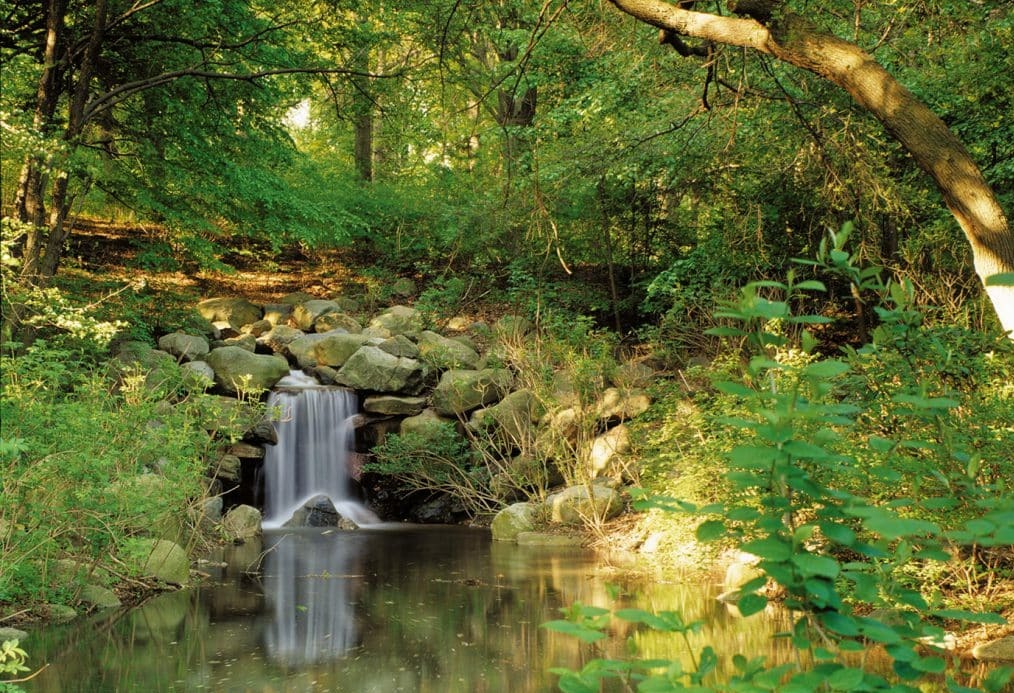
Source: Prospect Park Alliance
Among the many hidden things to do in Brooklyn, the enchanting Fallkill Falls in Prospect Park stands as a natural wonder that few visitors know exists. This recently reopened cascade offers a peaceful retreat from the urban bustle.
Prospect Park Waterfall location
Fallkill Falls marks the beginning of the park's impressive watercourse system, featuring six cascades that flow through the park. The falls can be accessed via the newly established Fallkill Trail, which provides a formal path to this previously restricted area. The waterfall sits near the park's northern section, surrounded by mature oak trees that create a serene woodland setting.
Prospect Park Waterfall history
Since the mid-1990s, Fallkill Falls remained behind fencing as part of an ambitious restoration project to revive Prospect Park's woodlands. The area underwent extensive rehabilitation, including:
-Removal of invasive plants
-Addition of native species
-Installation of protective measures
-Creation of designated walking paths
-Prospect Park Waterfall best viewing times
The best time to visit Fallkill Falls varies with the seasons. Winter months offer the clearest views with less foliage obstruction, while summer visits coincide with active water flow due to increased evaporation management. The falls serve as a crucial part of the park's ecosystem, supporting migratory birds and maintaining water levels throughout the connected waterways.